Venue
Yonsei University
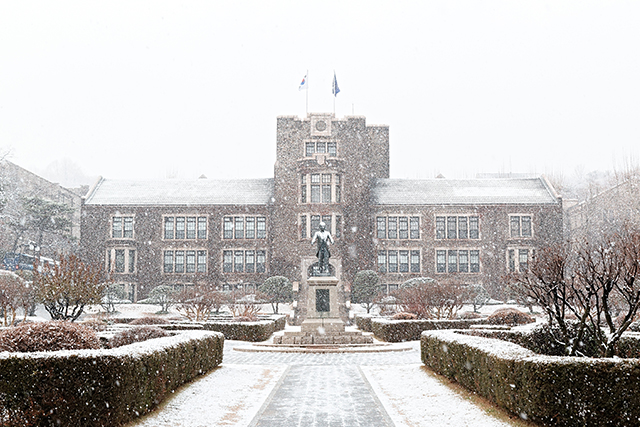
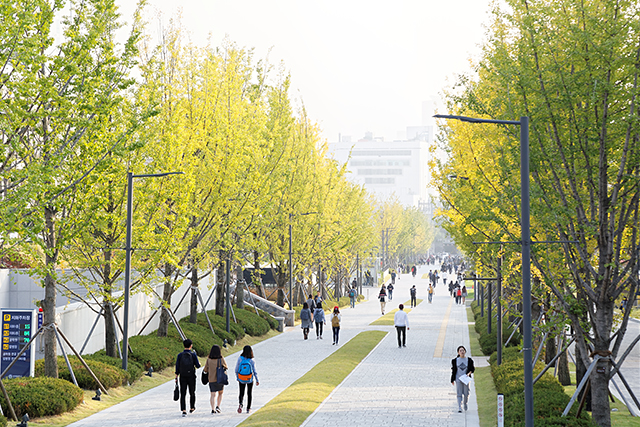
The conference will be hosted by Yonsei University, one of South Korea's most prestigious private research universities. Founded in 1885, Yonsei is located in the Sinchon district of Seoul, a vibrant university neighbourhood in the western part of the city. The campus is known for its beautiful grounds and historic architecture blending with modern facilities.
Yonsei University, 50 Yonsei-ro, Seodaemun-gu, Seoul 03722, South Korea
Getting there
Incheon International Airport (ICN) is Seoul's main international airport, located approximately 60 km west of the city. It is consistently ranked among the best airports in the world and serves direct flights from major cities across Asia, Europe, North America, and Oceania. Korean Air, Asiana Airlines, and numerous international carriers operate from Incheon.
Gimpo International Airport (GMP) handles primarily domestic flights and some short-haul international routes to Tokyo Haneda, Shanghai Hongqiao, Beijing, and Osaka. Gimpo is closer to central Seoul (approximately 18 km).
The Airport Railroad Express (AREX) runs direct trains to Seoul Station in approximately 43 minutes (express) or 58 minutes (all-stop). From Seoul Station, transfer to the subway to reach Yonsei University. Alternatively, airport limousine buses operate routes throughout Seoul, and taxis to central Seoul cost approximately ₩65,000–80,000 ($50–60 USD).
Gimpo is connected to the Seoul subway system (Lines 5, 9, and AREX). The journey to the Sinchon area near Yonsei takes approximately 30–40 minutes by subway.
Get a T-money card at the airport convenience store or vending machine. It works on all subways, buses, and taxis across Seoul and can also be used at many convenience stores. The card costs ₩2,500 and can be recharged at any subway station.
Accommodation
Seoul offers an enormous range of accommodation at all price levels. Hotels are grouped below by neighbourhood. Seoul's excellent subway system makes all areas easily accessible to Yonsei University.
View venue and all hotels on Google Maps →
All areas listed are connected to Yonsei by Seoul's subway Line 2, which runs in a loop through the city. Sinchon/Hongdae hotels are the closest, while Gangnam and Myeongdong offer more shopping and dining options. January is low season for tourism, so hotel rates are generally reasonable.
Local transportation
Seoul's subway system is one of the most extensive and efficient in the world, with 23 lines covering the entire metropolitan area. Signs and announcements are in Korean, English, Chinese, and Japanese. Yonsei University is closest to Sinchon Station (Line 2/Green Line, Gyeongui–Jungang Line).
Seoul's bus network is comprehensive and colour-coded by route type (blue for trunk routes, green for branch routes, red for express). Payment is by T-money card.
Taxis are plentiful and affordable. Regular taxis (orange or silver) start at ₩4,800. Most drivers use navigation apps, so having your destination in Korean on your phone is helpful. Kakao T is the most popular taxi-hailing app. Uber also operates in Seoul.
The Sinchon and Hongdae neighbourhoods around Yonsei are very walkable, with abundant restaurants, cafés, and shops. The campus itself is a pleasant walk from the subway station.
Meals
Conference registration includes lunches and a conference dinner. Details about the dinner venue will be communicated to registered participants.
Seoul is a food lover's paradise, offering everything from Michelin-starred restaurants to extraordinary street food. The Sinchon area near Yonsei is packed with affordable Korean restaurants popular with students and locals. Must-try dishes include Korean BBQ (samgyeopsal, galbi), bibimbap, kimchi jjigae, tteokbokki, and cold noodles (naengmyeon). The Hongdae neighbourhood, a short walk from campus, is one of Seoul's liveliest dining and nightlife districts.
Practical information
South Korean Won (₩ / KRW). Credit cards are accepted almost everywhere in Seoul — South Korea is one of the most cashless societies in the world. ATMs that accept international cards are available at convenience stores (CU, GS25, 7-Eleven) and banks.
Korean. English signage is widespread on public transport and in tourist areas. English proficiency varies — it is commonly spoken at hotels, the university, and in tourist-oriented businesses. Having a translation app (Google Translate or Papago, which is particularly good for Korean) on your phone is recommended.
January in Seoul is cold and dry, with average temperatures around −6°C to 1°C (21–34°F). Snow is possible. Warm winter clothing is essential — a heavy coat, layers, hat, gloves, and warm shoes. Indoor spaces including the subway, restaurants, and the conference venue are well heated.
South Korea offers visa-free entry for citizens of many countries, including the US (up to 90 days), EU member states, UK, Canada, Australia, and Japan. Visitors from visa-free countries are generally required to apply for a K-ETA (Korea Electronic Travel Authorization) before travel, but nationals of the following 22 countries and regions are currently exempt from the K-ETA requirement through December 31, 2026:
Australia, Austria, Belgium, Canada, Denmark, Finland, France, Germany, Hong Kong, Italy, Japan, Macau, the Netherlands, New Zealand, Norway, Poland, Singapore, Spain, Sweden, Taiwan, the United Kingdom, and the United States (including Guam).
Travellers from exempt countries may still choose to apply for a K-ETA voluntarily, which waives the arrival card requirement. Check with the Korea Immigration Service for specific requirements.
South Korea uses Type C and Type F plugs (220V, 60Hz), the same as most of Europe. Visitors from North America, UK, and Australia will need an adapter.
Korea Standard Time (KST), UTC+9. South Korea does not observe daylight saving time.
South Korea has some of the fastest internet in the world. Free Wi-Fi is available at the conference venue, on the subway, in most cafés, and in many public spaces. Portable Wi-Fi devices (pocket Wi-Fi) and prepaid SIM cards can be rented or purchased at the airport.
Emergency: 112 (police) / 119 (fire & ambulance) · Tourist helpline (multilingual, 24/7): 1330
About Seoul
Seoul, the capital of South Korea, is a dynamic megacity of over 10 million people where centuries-old palaces sit alongside gleaming skyscrapers. The city seamlessly blends tradition and modernity — you can visit a 600-year-old Joseon Dynasty palace in the morning and explore cutting-edge technology districts in the afternoon.
For those with extra time, highlights include the historic palaces of Gyeongbokgung and Changdeokgung, the traditional Bukchon Hanok Village, the bustling Namdaemun and Gwangjang markets, the trendy Gangnam and Itaewon districts, and N Seoul Tower on Namsan Mountain for panoramic city views. The Demilitarized Zone (DMZ) on the border with North Korea is a popular half-day excursion from Seoul. In winter, the city's excellent heated cafés and the jimjilbang (Korean bathhouse/spa) culture offer a welcome retreat from the cold.