Venue
Keio University
The conference will be hosted by Keio University, Japan's oldest institution of higher education, founded in 1858. The conference will take place at the East Research Building on the Mita campus, located in the Minato ward of central Tokyo. The Mita campus is Keio's main campus and is well connected by public transport.
Keio University, 2-15-45 Mita, Minato-ku, Tokyo 108-8345, Japan
Getting there
Tokyo is served by two airports. Narita International Airport (NRT) is the main international gateway, located approximately 60 km east of central Tokyo. Haneda Airport (HND), located much closer to the city center (approximately 15 km), handles an increasing number of international flights in addition to domestic services. If possible, flying into Haneda is more convenient.
The Narita Express (N'EX) train runs to Tokyo Station and Shinagawa Station in approximately 60–90 minutes. Limousine buses serve major hotels and train stations. The journey takes 60–120 minutes depending on traffic and destination. A taxi from Narita to central Tokyo costs approximately ¥20,000–30,000.
The Tokyo Monorail connects to Hamamatsucho Station in about 15 minutes, and the Keikyu Line connects to Shinagawa and other stations. Both are fast and affordable. A taxi to the Mita area costs approximately ¥5,000–7,000.
The Mita campus is a short walk from Tamachi Station (JR Yamanote Line) and Mita Station (Toei Mita Line and Toei Asakusa Line). From Shinagawa Station, Tamachi is just two stops on the Yamanote Line.
Get a Suica or Pasmo IC card at the airport — it works on all trains, subways, and buses across Tokyo and can also be used for purchases at convenience stores and vending machines. The card can be loaded onto your phone's digital wallet before arriving.
Accommodation
Tokyo offers an enormous range of accommodation. Hotels near Tamachi Station, Shinagawa Station, or in the Mita/Shiba area are the most convenient for the Keio Mita campus. The Shinagawa area has many international-brand hotels and is also a major Shinkansen (bullet train) hub. Budget-conscious visitors will find excellent business hotels throughout the area.
The conference organizers will provide accommodation for presenters at the hotel below.
View venue and hotel on Google Maps →
Local transportation
Tokyo's rail network is one of the most extensive and punctual in the world. The JR Yamanote Line (the main loop line) and the Tokyo Metro and Toei subway systems will get you virtually anywhere in the city. Trains run from approximately 5:00 AM to midnight. The closest stations to Keio Mita campus are Tamachi (JR Yamanote/Keihin-Tohoku Lines) and Mita (Toei Mita/Asakusa Lines), both a 10-minute walk from campus.
Taxis are clean, safe, and plentiful but can be expensive, especially during rush hours. The base fare is approximately ¥500. Doors open and close automatically. Most taxi drivers speak limited English, so having your destination written in Japanese or shown on a map is helpful. The GO app is Japan's main taxi-hailing app.
The Mita/Tamachi area is walkable, with convenience stores, restaurants, and cafés within easy reach of the campus. Tokyo is generally a very safe city for walking at any hour.
Meals
Conference registration includes lunches and a conference dinner. Details about the dinner venue will be communicated to registered participants.
Tokyo has more Michelin stars than any other city in the world, and the dining ranges from extraordinary street-level ramen shops to world-class sushi counters. The area around Tamachi and Mita stations offers a wide selection of Japanese restaurants at all price points. For a quintessential Tokyo food experience, explore the basement food halls (depachika) of any major department store, or visit the izakaya (Japanese pub-style restaurants) that line the streets near major stations.
Practical information
Japanese Yen (¥ / JPY). As of 2027, approximately ¥150 = 1 USD. Japan has traditionally been a cash-heavy society, but credit card acceptance has improved significantly in recent years, especially in Tokyo. Major cards (Visa, Mastercard) are widely accepted at hotels, larger restaurants, and department stores. Smaller restaurants, shops, and vending machines may still be cash-only. ATMs at 7-Eleven and Japan Post accept international cards.
Japanese. English signage is widespread on public transport and in tourist areas. English proficiency varies — hotel staff and younger Japanese often speak some English, but it is less common in everyday situations. Google Translate with its camera feature (for reading menus and signs) is very useful. The Keio campus and conference will operate in English.
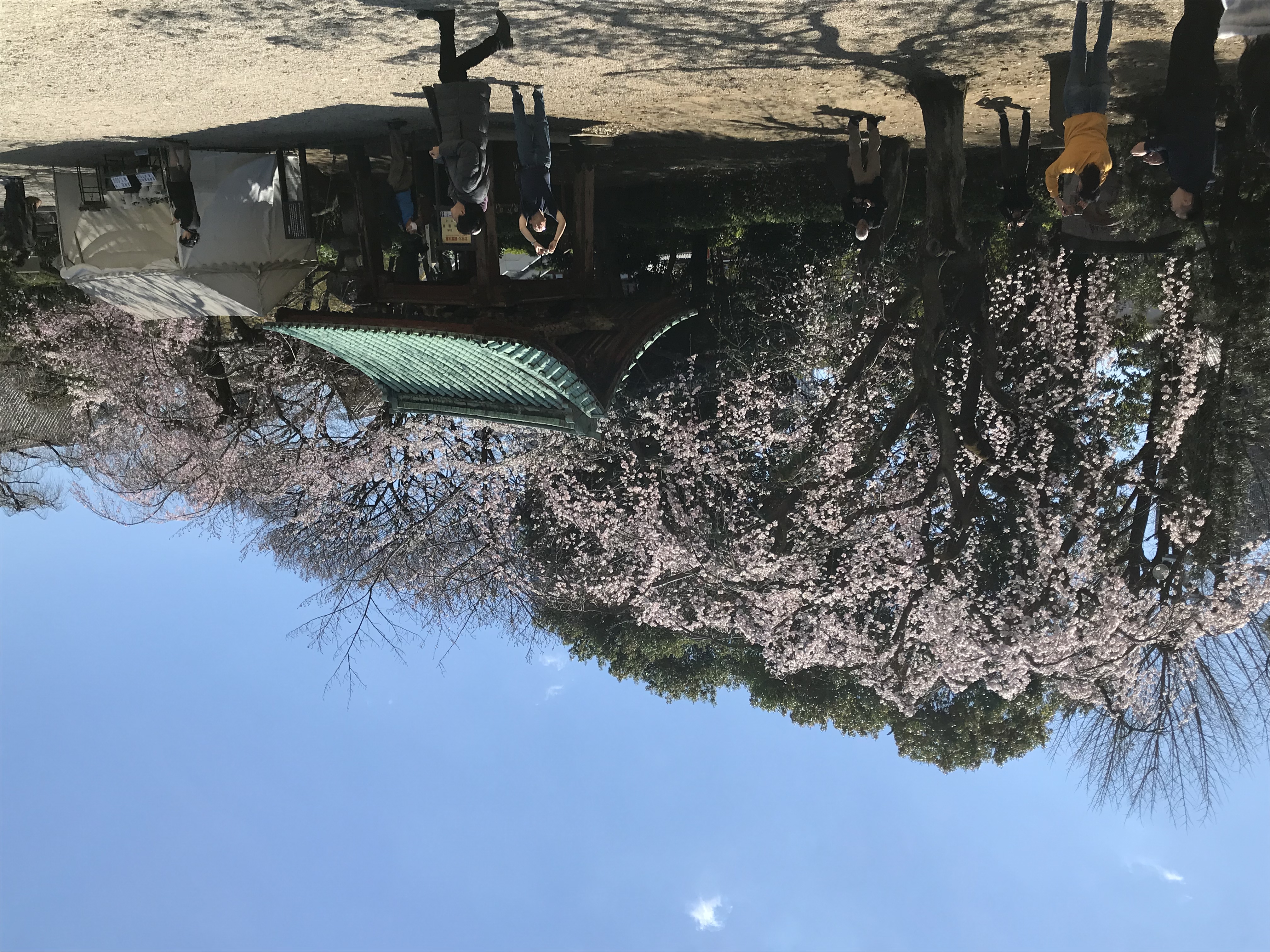
Early March in Tokyo marks the transition from winter to spring. Expect daytime temperatures of 8–14°C (46–57°F) and cooler evenings around 3–6°C (37–43°F). The weather is generally dry and sunny. Layers and a warm jacket are recommended. Early cherry blossoms may begin to appear toward the end of March, though the peak is typically late March to early April.
Japan offers visa-free entry for citizens of many countries, including the US (up to 90 days), EU member states, UK, Canada, Australia, and South Korea. Visitors must register with Visit Japan Web before arrival for immigration and customs processing. Check with the Ministry of Foreign Affairs of Japan for specific visa requirements.
Japan uses Type A plugs (same as North America), 100V, 50Hz in eastern Japan (including Tokyo). Most modern electronics and chargers (laptops, phones) work fine with the lower voltage. Visitors from Europe, UK, and Australia will need a plug adapter.
Japan Standard Time (JST), UTC+9. Japan does not observe daylight saving time.
Wi-Fi will be available at the conference venue. Free Wi-Fi is available at most hotels, many cafés, convenience stores, and train stations. Pocket Wi-Fi devices can be rented at the airport for reliable internet access throughout your stay — this is highly recommended and typically costs ¥500–1,000 per day.
Police: 110 · Fire & ambulance: 119 · Japan Helpline (English, 24/7): 0570-064-004
About Tokyo
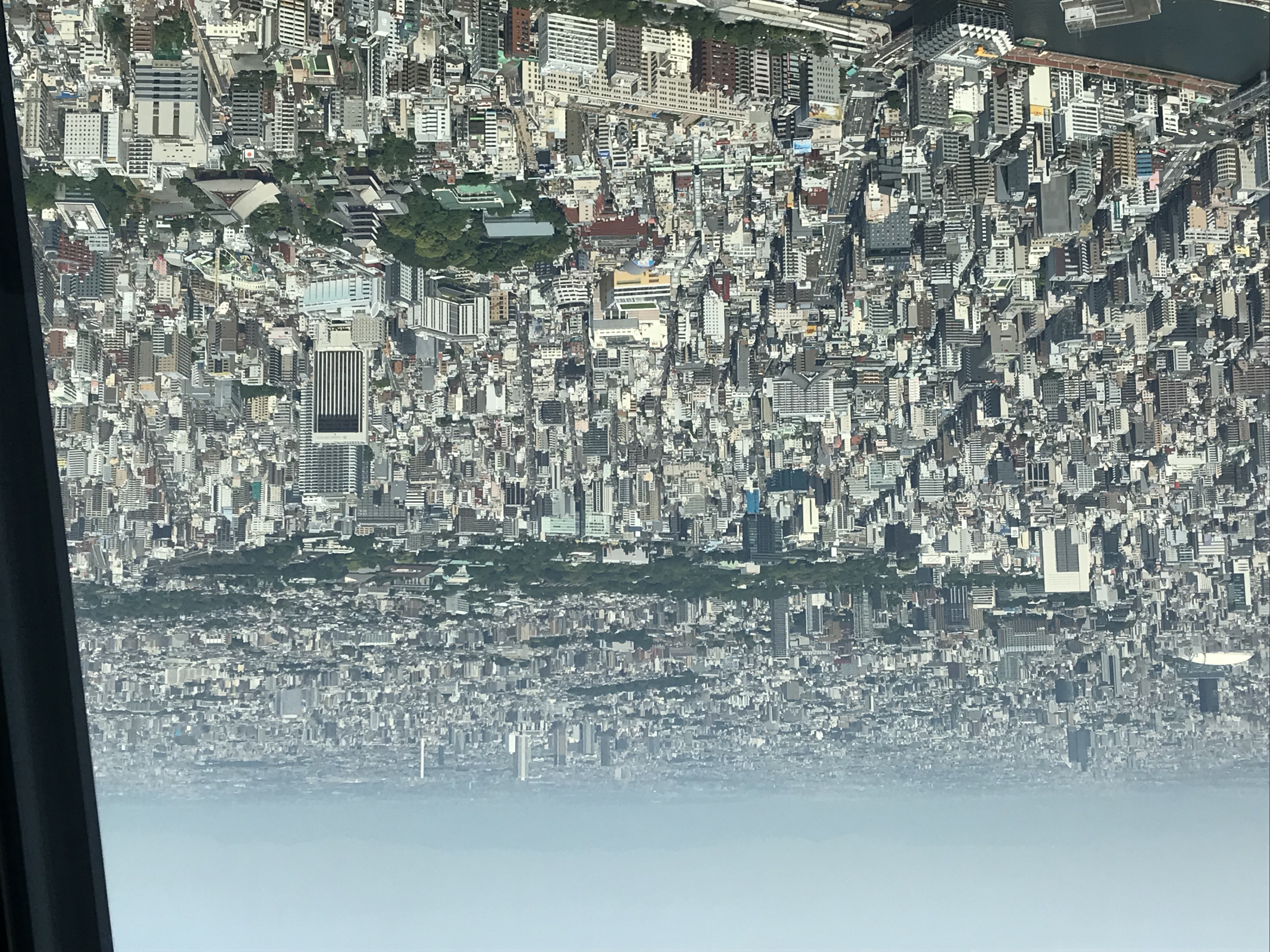
Tokyo, Japan's capital, is the world's most populous metropolitan area and a city of extraordinary contrasts. Ancient temples and serene gardens sit alongside neon-lit skyscrapers and cutting-edge technology. The city is famously safe, clean, and efficient, with a public transport system that runs with remarkable precision.
For those with extra time, highlights include the Meiji Shrine and its forested grounds in Harajuku, the historic Senso-ji temple in Asakusa, the upscale shopping district of Ginza, the trendy neighborhoods of Shibuya and Shinjuku, and the Tsukiji Outer Market for the freshest sushi breakfast in the world. A day trip to Kamakura (the Great Buddha and coastal temples, about 1 hour south) or Hakone (hot springs with views of Mt. Fuji, about 1.5 hours) is also highly recommended.