Venue & accommodation
Banff Centre for Arts and Creativity
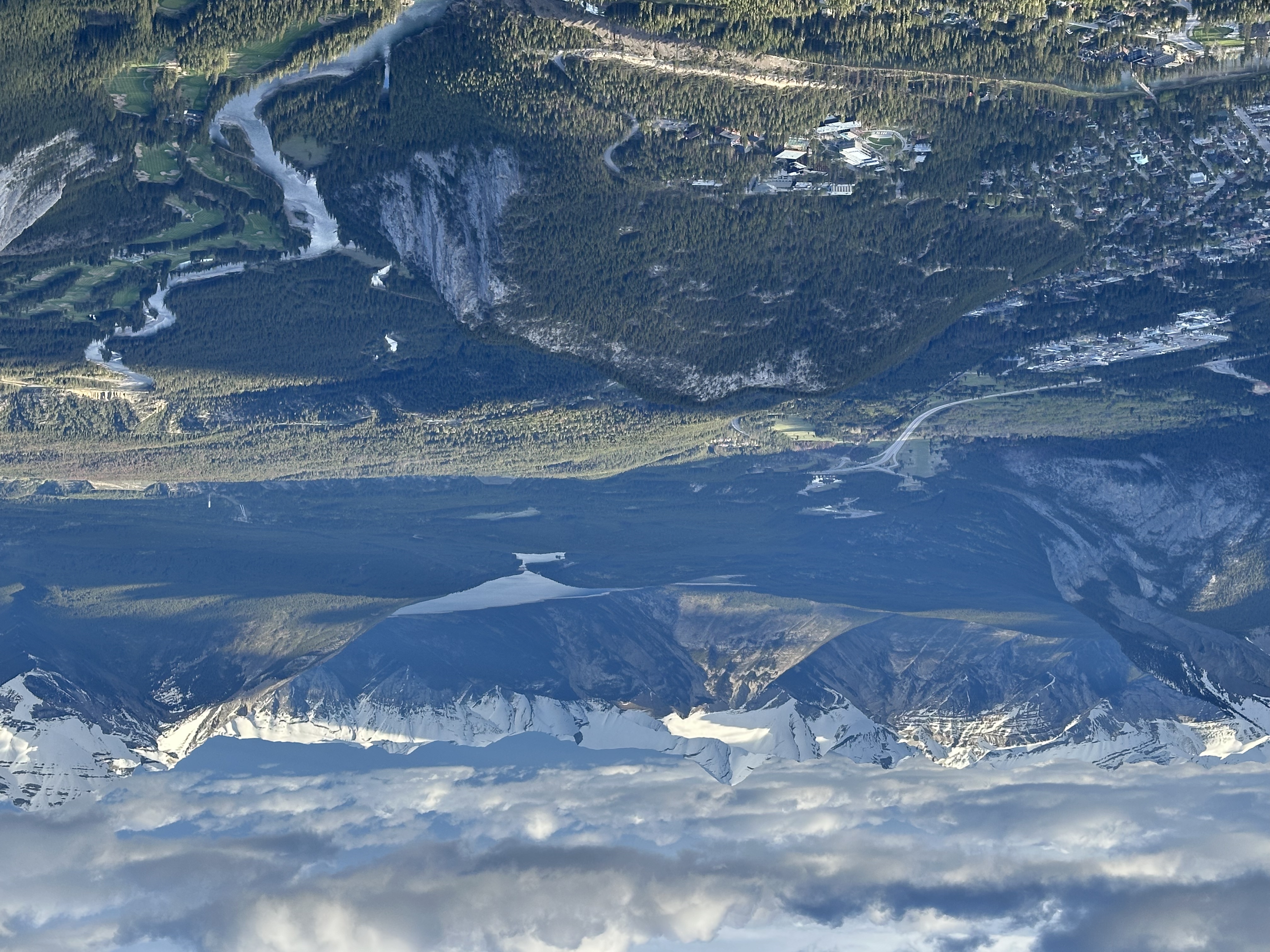
The conference venue and accommodation are both at the Banff Centre, situated on the slopes of Tunnel Mountain in the heart of Banff National Park. The Centre offers purpose-built meeting spaces with mountain views, on-site dining, and comfortable hotel rooms — all in one location. Participants stay where the conference takes place, making logistics simple.
107 Tunnel Mountain Drive, Banff, AB T1L 1H5, Canada
View venue and hotels on Google Maps →
The Banff Centre campus includes the Sally Borden Recreation Centre with a swimming pool, hot tub, steam rooms, fitness equipment, indoor running track, and climbing wall. Free parking and Wi-Fi are included for all guests.
Getting there
The nearest major airport is Calgary International Airport (YYC), located approximately 130 km (80 miles) east of Banff. The drive from Calgary to Banff takes about 1.5 hours along the Trans-Canada Highway (Hwy 1), a scenic route through the foothills and into the Rocky Mountains.
Several shuttle services operate between Calgary Airport and Banff, including Banff Airporter and Brewster Express. The ride takes approximately 2 hours with scheduled departures throughout the day. Advance booking is recommended.
From Calgary, take the Trans-Canada Highway (Hwy 1) west. Banff is well-signed from the highway. Note that a Parks Canada pass is required to stop within Banff National Park. Day passes and annual passes can be purchased at the park gate or online.
Rental cars are available at Calgary Airport. While not essential for the conference (the Banff Centre is self-contained and downtown Banff is walkable), a car is useful for exploring the park and surrounding area.
Meals & conference dinners
Conference registration includes lunch during the conference. Two special dinners are planned:
On the first evening, participants will take the Banff Gondola to the summit of Sulphur Mountain (2,281 m / 7,486 ft) for dinner at Sky Bistro, the mountain-top restaurant offering panoramic views of six mountain ranges, the Bow Valley, and the town of Banff below. The gondola ride and dinner are included with conference registration.
The second evening dinner will be at Park Distillery in downtown Banff, known for its campfire-inspired cuisine and craft spirits distilled on-site using glacial water from the Rockies. This dinner is pay-your-own-way.
Conference activities
We have planned several outdoor activities to take advantage of Banff's spectacular setting. All activities are optional and weather-dependent.
Before morning sessions, guided walks are planned to some of Banff's most scenic nearby spots. Routes include a walk to Bow Falls, a short but stunning waterfall on the Bow River just below the Fairmont Banff Springs Hotel, and a walk towards Hoodoos Viewpoint, where you can see the striking geological formations along the Bow River valley.
A bagged lunch hike to the summit of Tunnel Mountain (1,692 m / 5,551 ft) is planned for the second day. The trail is approximately 4.3 km round trip with 260 m of elevation gain, taking about 1.5–2 hours. The summit offers 360-degree views of the Bow Valley, Mount Rundle, Cascade Mountain, and the town of Banff. This is a moderate hike suitable for most fitness levels. Sturdy walking shoes are recommended.
Banff sits at 1,383 m (4,537 ft) elevation. If you're not accustomed to altitude, take it easy on the first day and stay well hydrated.
Banff National Park
Canada's first national park
Banff National Park, established in 1885, is Canada's oldest national park and a UNESCO World Heritage Site. The park covers 6,641 square kilometres of valleys, mountains, glaciers, forests, and alpine meadows in the heart of the Canadian Rockies. It is one of the most visited national parks in the world and offers extraordinary natural beauty at every turn.
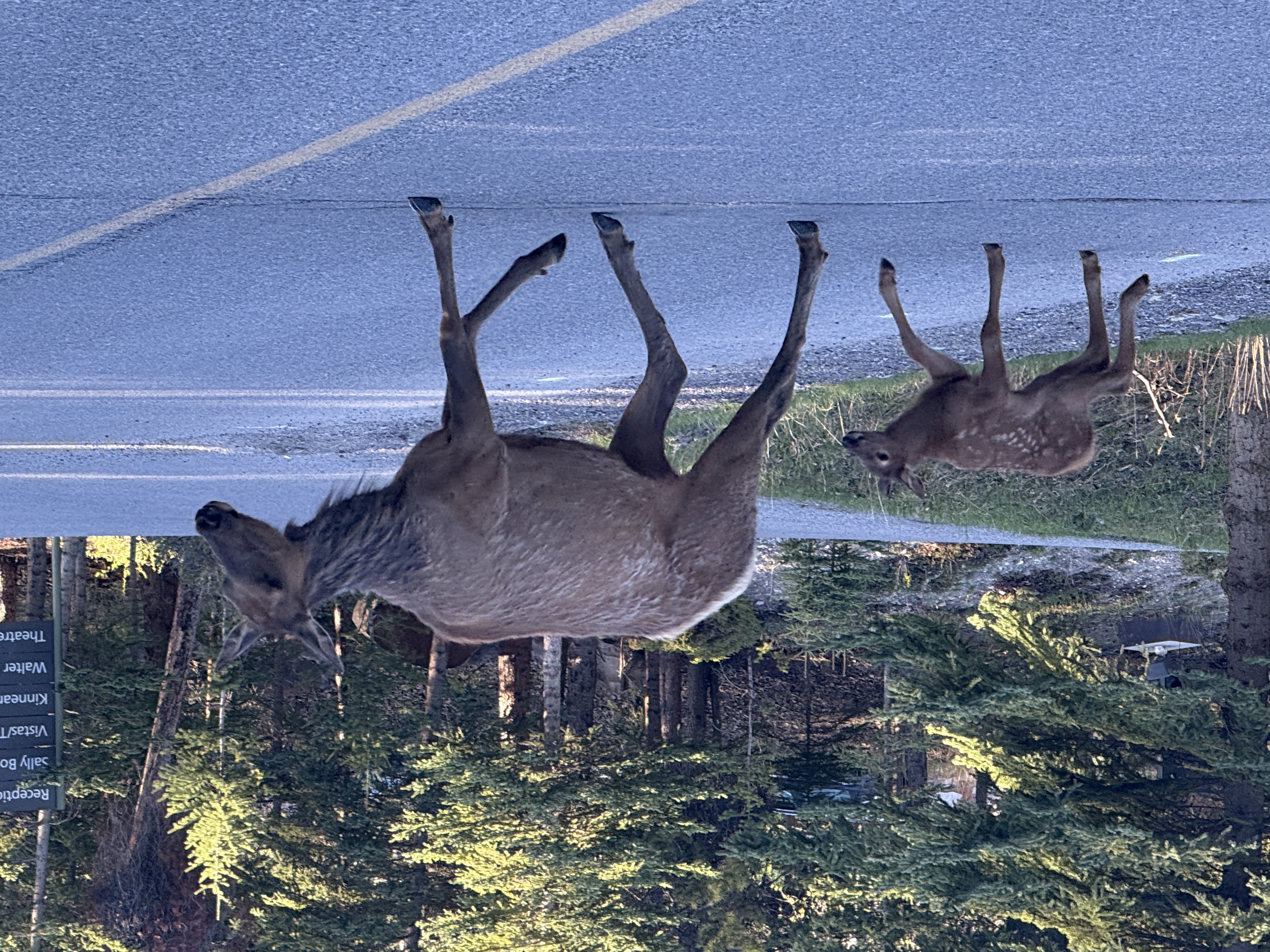
In mid-May, the park is coming alive with spring — snow-capped peaks, turquoise rivers fed by glacial melt, and wildlife emerging from winter. You may spot elk, deer, bighorn sheep, and occasionally bears along the roadsides and trails.
If you have extra time before or after the conference, consider visiting Lake Louise (58 km from Banff), Moraine Lake (if open — typically opens late May to early June), Johnston Canyon, and the Icefields Parkway, one of the most scenic drives in the world.
A Parks Canada pass is required. Daily passes cost approximately $11 CAD per person. Passes can be purchased at the park gate, at the Banff Visitor Centre, or online at parks.canada.ca.
Practical information
Mid-May in Banff is spring in the mountains. Daytime temperatures typically range from 5–15°C (41–59°F), with cooler evenings near 0°C (32°F). Weather can change quickly — layers are essential. Bring a warm jacket, rain shell, and comfortable walking shoes. Snow is still possible at higher elevations.
Most international visitors need either a visa or an Electronic Travel Authorization (eTA) to enter Canada. Citizens of the US do not need an eTA but require a valid passport. EU, UK, Australian, and Japanese citizens typically need an eTA ($7 CAD, applied online). Check with Immigration, Refugees and Citizenship Canada for specific requirements.
Mountain Time (MT), UTC−7 in summer (Mountain Daylight Time).
Free Wi-Fi is available throughout the Banff Centre campus, including guest rooms and meeting spaces.
Emergency: 911 · Parks Canada emergency dispatch: 403-762-4506 · Banff Mineral Springs Hospital: 403-762-2222